
Hook Slop means intense but interchangeable openings disconnected from the content’s actual value. It is an editorial criticism, not a platform category.
01STORY BRIEFThe idea in three screens.3 SCREENS
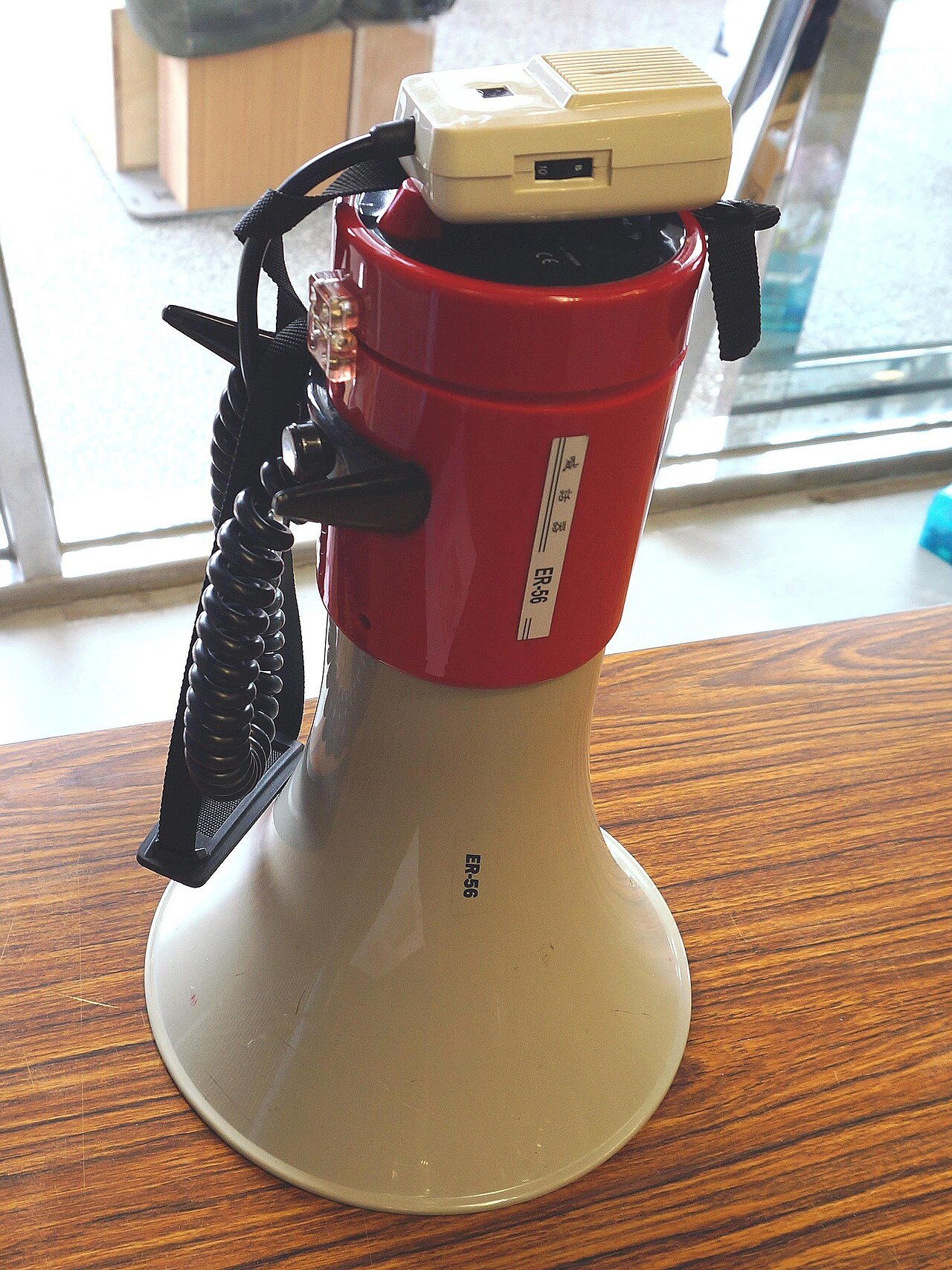
“Stop scrolling”: everybody is shouting the same thing.
Hook Slop means intense but interchangeable openings disconnected from the content’s actual value.
A good opening makes a promise the rest fulfills. “I lost my notes before the exam” creates a specific situation. “This app will change your life” could sell anything. Compare the first sentence with the conclusion: if they address different problems, early retention may measure delayed disappointment.
Try rewriting without commands or spectacular adjectives. Replace the demand to stay with the situation you will resolve. If the opening becomes clearer, precision has improved. Then evaluate the full piece: a quieter hook may attract fewer curious viewers and more people facing the actual problem. That possibility is worth testing, not asserting as a universal advantage of restrained creative work.
Replace the command with something worth noticing.
A hook that tells everyone to stop scrolling spends its first moment talking about the feed rather than the viewer’s problem. Try opening on the problem itself. A meeting note with no decision, a recipe that fails at one visible step, or an object doing something unexpected gives the audience a concrete reason to pay attention. The useful question is not whether the opening sounds energetic. It is whether the intended viewer can recognise the promised reward.
Three alternatives to shouting
- 01Problem
Show the frustrating moment the viewer recognises.
- 02Contradiction
Put two apparently incompatible facts in the same frame.
- 03Open action
Begin something whose outcome the viewer wants to see.
Editorial model: a way to reason about the process, not measured platform results.
Write three openings for the same payoff: one based on a visible problem, one on a contradiction and one on an unfinished action. Keep the ending fixed so the team can discuss the relationship between promise and delivery. Do not judge an opening in isolation from the rest of the piece. A spectacular first frame that attracts the wrong expectation can damage comprehension later. When reviewing results, keep the actual creative version next to the metric. Otherwise a successful concept becomes a vague instruction to use stronger hooks, and the next production batch returns to the same empty command.
The garden-furniture example starts from a specific, understandable problem described in the source: dust-covered furniture after rain. That context gives the viewer a reason to anticipate a resolution without a generic claim that everything they know is wrong. For an original post, make a list of the details that would let someone recognise the problem instantly. Choose the most legible one for the opening and preserve the rest for the explanation. A strong hook can be a clear observation. It does not always need a threat, a secret or a sentence written as though the entire internet has been waiting for this tip.
““Stop scrolling”: everybody is shouting the same thing.”
02FIELD KITFrom concept to practice.2 SCREENS
Connect the opening to visible evidence.
Adapt this to your audience, budget and test scope.
Put it to work.
- 01Connect the opening to visible evidence.
- 02Remove superlatives that add nothing.
Notes & sources.
The limit. Better opening retention does not guarantee that the promise is delivered later.
Further reading is linked throughout this article. Worked examples explain a process; they are not campaign results.
THE ORGANIC CLUB is an editorial project initiated by TokPortal. That relationship is separate from the evidence behind claims. Editorial signatures and image credits are explained in our policy. Our editorial policy →